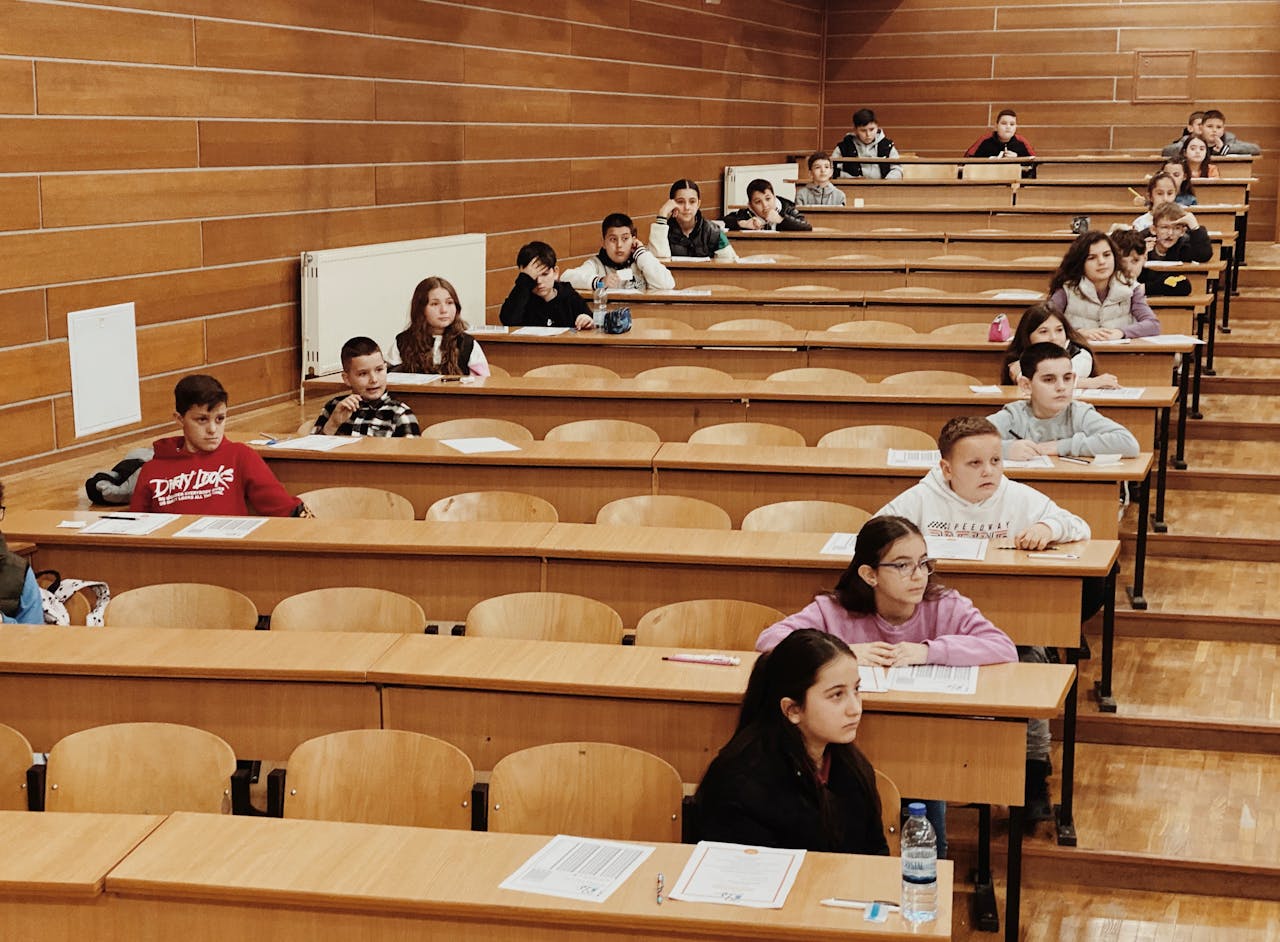

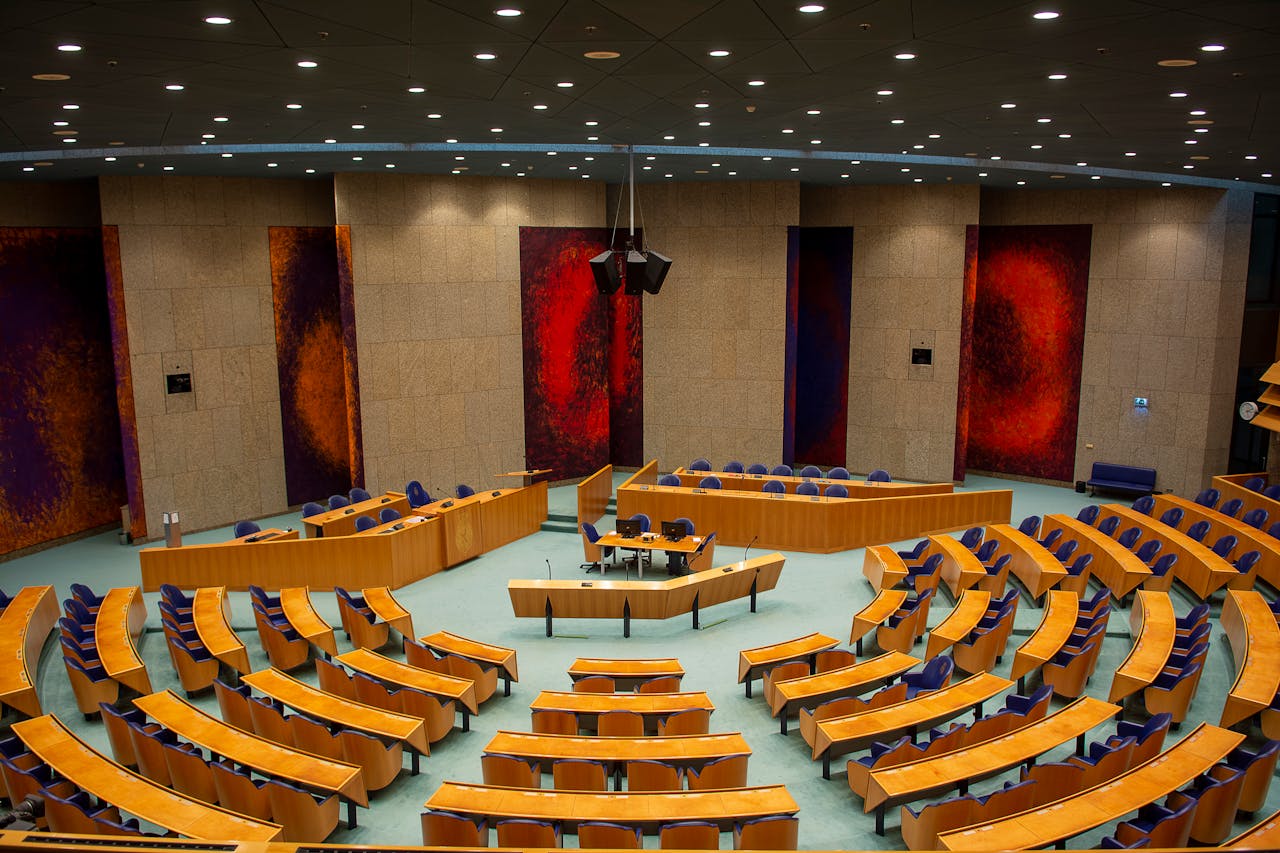
The formal debate has just been suspended. The Committee Chair raps the gavel and announces, “We will now enter a twenty-minute unmoderated caucus.”
Instantly, the quiet, orderly room erupts into absolute chaos. A hundred delegates stand up at once. Chairs scrape across the floor. Voices overlap, papers rustle, and multiple people begin shouting across the room, trying to rally a crowd to their corner.
To a beginner—and even to many intermediate delegates—the unmoderated caucus (or “unmod”) can feel like an overwhelming, unstructured free-for-all. But make no mistake: this is where the real diplomatic work of Model United Nations happens. While formal speeches on the microphone set the stage, it is during these fast-paced, face-to-face sessions that alliances are forged, mergers are forced, and resolutions are actually written.
You don’t win a committee by screaming over the noise. True diplomatic heavyweights know how to command the room through strategy, emotional intelligence, and tactical positioning.
Here is your insider guide to mastering the social dynamics of a crowded unmod and leading the room without ever raising your voice.
1. Establish an Immediate Presence (Before You Even Speak)
When the unmod begins, the instinct for many is to rush to a corner and start writing. Experienced delegates do something different: they utilize targeted positioning and open body language to naturally draw people to them.
- Claim the Geography: Don’t get trapped in a tight corner or pinned against a wall. Move to an open area of the room where a circle can naturally form around you. Standing near a whiteboard or a central table gives you a physical anchor that says, “This is where a working group is forming.”
- The Power of Open Body Language: Stand tall, keep your arms uncrossed, and maintain direct eye contact. When someone approaches your circle, physically step back slightly to open the circle and welcome them in. This subtle, inclusive gesture builds immediate subconscious loyalty.
- The Clipboard Strategy: Always hold a notepad, a folder, or a tablet. It gives you an immediate air of purpose and organization. When you look like the person who is tracking the ideas, people naturally flock to you to ensure their points get written down.
2. How to Initiate a Working Group
You cannot pass a resolution alone. Your immediate goal in the first unmod is to form a cohesive “working group” that shares a common policy direction.
Instead of shouting a country name, initiate your group by focusing on shared vision. Step into the center of an open space and articulate a clear, concise directive:
“Delegates focusing on regional infrastructure development and maritime security, let’s gather right here by the window to sync our clauses.”
By framing the invitation around substance rather than your own country’s ego, you provide a collaborative focal point. Once a group of five or six delegates gathers, immediately assume the role of the facilitator, not the dictator. Say: “Let’s do a quick go-around. Thirty seconds each—what is your country’s absolute deal-breaker for this resolution?”
By organizing the chaos, you have subtly and effectively placed yourself at the head of the table.
3. The Art of Neutralizing “Power Delegates”
In almost every committee, you will encounter the “Power Delegate”—the individual who mistakes volume for leadership. They interrupt, talk over others, and try to hijack your working group by sheer force of personality.
Shouting back at them ruins your diplomatic credibility. Instead, neutralize them with tactical composure:
- The Tactical Interruption: When they pause for breath, step in with a calm, measured tone. Use a lower, slower vocal register than theirs. The contrast in volume immediately draws the room’s attention back to you.
- Pivot to the Room: Instead of arguing with them directly, redirect their energy back to the collective group. Say: “Delegate, that’s a fascinating perspective on border tech. Let’s see how the rest of our bloc feels about that. France, what are your thoughts on that timeline?”
- Divide and Concur: If a power delegate is completely unmanageable, pull them aside for a one-on-one side negotiation. Offer them ownership over a specific, isolated section of the resolution (e.g., “You clearly have a massive grasp on the funding mechanism. Why don’t you lead a sub-group of three to draft that specific clause while we map out the framework here?”). You keep their talent, but remove their disruption from the main circle.
4. Strategies for Absorbing Smaller Blocs
As the conference progresses, smaller, fragmented working groups will realize they don’t have the numbers to pass a resolution on their own. This is the crunch time of the unmod: the merger.
Amateur delegates treat mergers like a corporate takeover, demanding that the smaller group ditch their papers and join theirs. Master diplomats use the strategy of inclusive absorption:
- Validate First: When approaching a smaller bloc, never say their ideas are wrong. Start with praise: “We’ve been reading your working paper across the room, and your emphasis on agricultural micro-loans is brilliant.”
- Find the Gaps: Show them how their puzzle piece fits perfectly into your larger puzzle. “Our paper focuses heavily on macro-economic stability, but we completely lack the micro-loan framework you’ve perfected. If we merge, your clauses will become the anchor of Section 3.”
- Protect Their Identity: Ensure the leaders of the smaller group feel protected. Guarantee them a spot as sponsors or a speaking slot in the next moderated caucus to introduce the merged text. When you protect people’s political capital, they will gladly line up behind your leadership.
Conclusion: True Diplomatic Leverage
The next time the Chair suspends formal debate and the room erupts, take a deep breath. Don’t join the shouting match.
Remember that the most powerful weapon in a Model UN committee room isn’t a loud voice—it is a clear, strategic mind. By mastering your body language, organizing the chaos for others, handling dominant personalities with grace, and executing seamless mergers, you will naturally become the gravity well of the committee.
Step into the unmod with a plan, lift up the voices around you, and watch the room align behind your resolution.
Take Action for Your Next Conference
What’s your go-to strategy when an unmod gets out of hand? Practice your 30-second “bloc pitch” before your next conference so you can deploy it the moment the gavel drops!